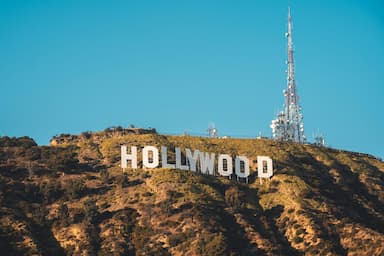
For years, Hollywood looked at influencers as “internet famous” personalities — useful for marketing campaigns, red carpet buzz, and maybe a cameo or two. But now? Creators are becoming the main event.
Studios, streaming platforms, and production companies are actively recruiting YouTubers, TikTok stars, podcasters, and digital creators in a race to reconnect with Gen Z audiences who are spending more time on social platforms than traditional TV.
And honestly, it makes sense.
Gen Z doesn’t consume entertainment the same way previous generations did. They grew up with creators who feel accessible, authentic, and constantly available. Instead of waiting a year for a new TV season, they’re watching creators upload content daily — sometimes multiple times a day.
Hollywood isn’t just competing with other studios anymore. It’s competing with TikTok, YouTube, Twitch, podcasts, livestreams, and creator-led communities.
Why Hollywood Needs Creators
Traditional entertainment companies are facing a major attention problem.
According to Deloitte’s 2025 Digital Media Trends survey, younger audiences are increasingly choosing creator-driven content over premium TV and movies.
Why?
Because creators understand internet culture in real time.
They speak Gen Z’s language.
They build community instead of broadcasting at audiences.
And most importantly — they already have loyal fanbases.
That’s incredibly valuable to Hollywood.
Instead of spending millions trying to manufacture cultural relevance, studios can partner with creators who already command attention online.
We’re seeing this shift everywhere:
- TikTok creators landing major acting roles
- YouTubers getting streaming deals
- Influencers producing original shows
- Fan-edit creators helping market movies
- Streaming platforms building creator divisions
Even institutions like Sundance are embracing the creator economy with dedicated creator-focused programming.
The line between “creator” and “celebrity” is disappearing.
The Real Reason Gen Z Trusts Creators More
Creators succeed because they feel human.
Hollywood traditionally polished talent into perfection. Creators built audiences through relatability.
Gen Z values:
- authenticity over polish
- personality over perfection
- community over exclusivity
- consistency over occasional appearances
A creator filming in their bedroom can feel more trustworthy than a celebrity on a press tour.
That connection is hard for traditional media companies to replicate.
And creators have something studios desperately want: direct access to niche audiences.
One Reddit user summed it up perfectly:
“Creators put out content several times a week about hyper niche topics.”
That level of personalization keeps audiences engaged in ways traditional media often struggles to achieve.
But There’s a Catch
Hollywood’s creator strategy is still a gamble.
Having millions of followers doesn’t automatically translate into box office success or strong acting ability. Some studios are learning that creator fame and entertainment talent aren’t always the same thing.
Audiences can also tell when collaborations feel forced.
Gen Z doesn’t just want influencers placed into Hollywood projects. They want creators involved in ways that feel authentic to the culture they built online.
The biggest wins so far have happened when creators stay close to what made audiences love them in the first place.
Amazon’s “Beast Games” with MrBeast became one of Prime Video’s biggest debuts because it felt like an amplified version of creator content — not a watered-down corporate adaptation.
That distinction matters.
What This Means for Creators
This shift signals something much bigger than influencer marketing.
Creators are becoming:
- media companies
- production studios
- entertainment brands
- IP owners
- cultural tastemakers
Hollywood no longer sees creators as side characters in entertainment.
They’re becoming the new gatekeepers.
And for creators, this opens massive opportunities:
- streaming partnerships
- original content deals
- licensing opportunities
- brand integrations
- production ownership
- audience monetization beyond social platforms
But scaling creator businesses also comes with new challenges — larger teams, production costs, cash flow gaps, and the need for funding infrastructure that supports modern digital entrepreneurs.
As creators evolve into full-scale businesses, financial tools built specifically for the creator economy become increasingly important.
The Future of Entertainment Is Hybrid
The future probably isn’t “Hollywood vs creators.”
It’s collaboration.
Traditional studios still have massive distribution power, budgets, and storytelling infrastructure. Creators bring community, speed, culture, and audience trust.
The entertainment companies that win Gen Z will likely be the ones that stop treating creators like promotional tools — and start treating them like creative partners.
Because the reality is simple:
Creators aren’t trying to break into Hollywood anymore.
They’re reshaping it.